Postpartum Recovery in a “Bounce Back” Culture: Why Healing Takes Time
Let’s face it, in our fast-paced, hyper-independent culture, we are constantly surrounded with messaging to be self-reliant, resilient, productive and put together. And the societal expectations for quick fixes and instant transformations regularly scroll across our social media feeds. These pressures couldn’t be more toxic than during the postpartum period.
As a mom of 3, I can attest that pregnancy and childbirth are some of the most challenging physical, emotional and mental experiences for women. Yet we are overwhelmed with cultural expectations that treat childbirth like an inconvenience and reduce postpartum healing to appearance instead of overall wellbeing. We are encouraged to bounce back to our pre-baby body in unrealistic timelines and resume previous activities before our body is truly ready.
These approaches and mindsets are damaging and can perpetuate what some call the “postpartum body blues”: the emotional distress and adjustment to physical changes after childbirth; the insecurity, frustration, and self-criticism stemming from the constant comparison and messages that the version of you before birth is more valuable than the one you are now.
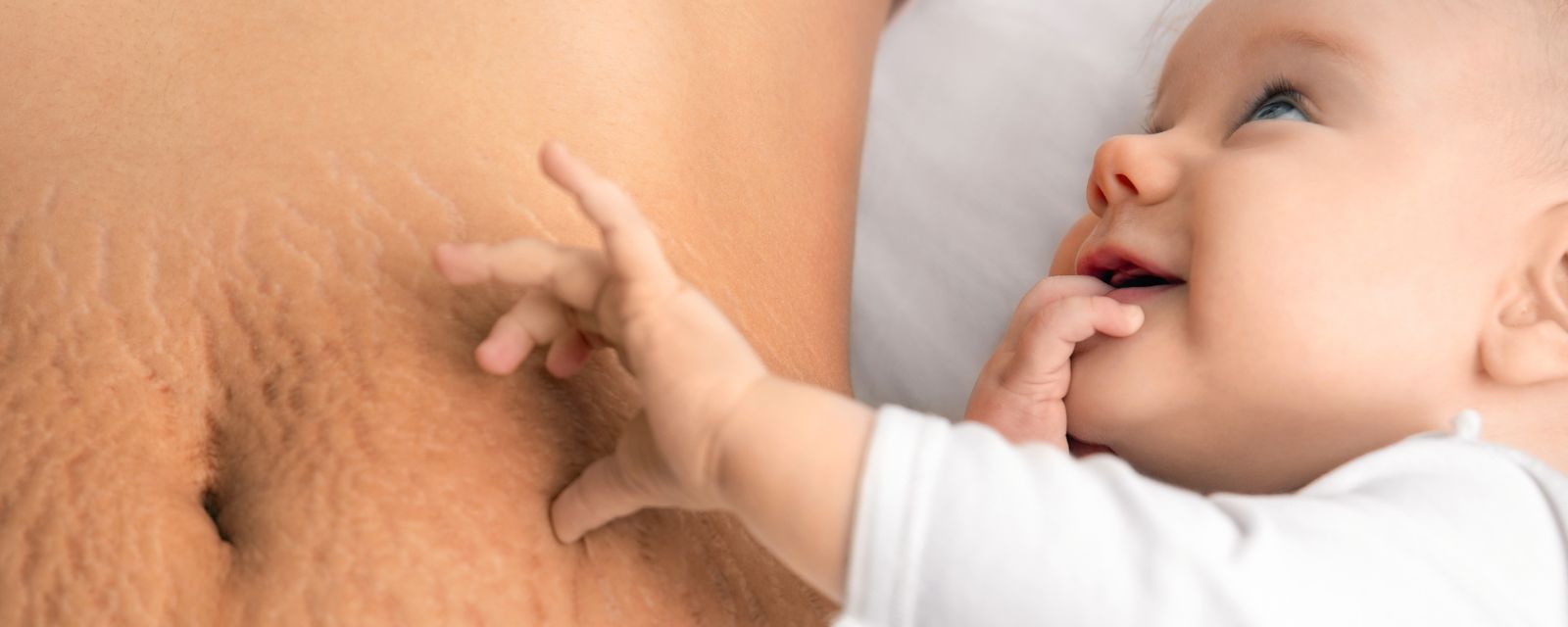
For many of us, it is already hard enough to face the reality that we don’t recognize our body and that it is not moving or changing the way it used to. We may still carry the extra weight, have birth injuries to address, have visible stretch marks or move slower than we’d like.
But the truth is, every body, birth, baby and postpartum journey and timeline is unique. And visibly or not, our bodies have permanently changed after having a baby. Postpartum recovery is not about returning to what once was and looking like you have not changed. It is a process of healing and honoring your body’s many needs.
The facets of postpartum recovery
What many don’t realize is that postpartum healing and recovery is quite nuanced and is a lot of work that often goes unseen. Physically, organs are shifting back into place, hormones are adjusting, tears or incisions are mending, the pelvic floor is strengthening and other tissues are stabilizing. In fact, urinary incontinence affects nearly 33% of women due to scar tissue, nerve damage or a tight pelvic floor. Pelvic organ prolapse, a weakening or stretching of the muscles and connective tissues of the pelvic floor, impacts up to 50% of women. And 60% of women experience diastasis recti, the separation of the abdominal muscles that occurs to make room for a growing belly and can make the belly bulge or stick out and even lead to pain with basic movements.
Emotionally, mothers are navigating new identities, roles, and responsibilities in addition to feeling vulnerable and sleep deprived. Mentally, there is constant unpredictability and decision fatigue. Some women report feeling symptoms such as overwhelming sadness, excessive worry, panic, frustration or hopelessness. As highlighted by Postpartum Support International, perinatal mental health conditions, such as anxiety, depression, obsessive compulsive disorder, bipolar disorder and post traumatic stress disorder, impact up to 1 in 5 mothers during pregnancy and the postpartum period.
Postpartum is a deeply personal journey. Various bio-psycho-social factors contribute to the way in which the body heals. Genetics, age, overall health, number of pregnancies and/or births, social support, and access to care are only some examples of what impacts the recovery process. It is not quick or linear and can feel a bit messy. While it may look different than expected, the body isn’t broken or a problem to fix. It is doing exactly what it needs and it all requires time.
Strategies to reframe postpartum recovery & cope with postpartum body blues
So what are some ways we can shift our focus and redefine the postpartum journey?
1. Normalize rest:
While productivity and energy are commonly prized, slowing down and offering your body rest is key during the postpartum period. For example, you can choose to sit on the couch when there are piles of laundry all around or take a nap while the baby sleeps. Perhaps there are even ways to slow down how you move about or accomplish tasks that allow them to be more restful.
2. Prioritize nourishment:
Nourishing and replenishing our bodies during a time of intense physical output and exhaustion is an important practice in self care. Some ideas are: hydrating with water or electrolytes; eating nutrient dense meals and snacks; accepting meals from others; and/or visiting with a good friend.
3. Focus on what you can do right now to feel good in your body:
In this major adjustment period, it can be helpful to tune into what connects us back to ourselves and what we can enjoy in our bodies. This can look like: getting a pedicure, scheduling a massage, doing gentle movement like walking or yoga, wearing comfortable/happy clothes, doing your hair, putting on makeup, or getting new jewelry or glasses.

4. Celebrate the little (or big) wins:
Give yourself opportunities to affirm your emotional growth or physical progress during such a transformational time. Some examples include: “I went on a 10 minute walk. I took a nap. I asked for help. I received help. I pushed the stroller. I carried the carseat. I am producing breastmilk. I ate a solid meal today.”
5. Practice gratitude:
Gratitude is a powerful and meaningful way to lower stress levels and improve your overall wellbeing. You can practice through writing, verbalizing to a friend/family member or creating art. Some ways to practice gratitude during this time can be to focus on what feels positive and like a glimmer of light and hope. Some may feel thankful for their body - it just carried and delivered a baby! Some feel thankful for the moments of strength and energy. Others experience gratitude for community and tangible support received, such as meals or someone folding laundry.
A final note
Postpartum recovery is a sacred time of rebuilding, discovery and reconnecting. What if we don’t hate and force our bodies into submission and instead treat it with respect, take up space and embrace the messy middle of postpartum. Maybe the stretch marks, hair loss, or weight gain is a sign that our body is doing what it’s meant to do.
Your postpartum healing is not behind schedule. It’s right on time. So take a breath. Slow down. Let yourself be in this season.
Resources:
All material provided on this website is for informational purposes only. Direct consultation of a qualified provider should be sought for any specific questions or problems. Use of this website in no way constitutes professional service or advice.
.jpg)