
What is the Window of Tolerance? A Guide to Nervous System Regulation
Stress is a natural part of life, but the way we experience and respond to stress can look different from person to person. At times, you may notice yourself feeling overwhelmed, anxious, or on edge, while at other times you may feel numb, disconnected, or shut down. These responses are connected to how our nervous system responds to stress and our environment. The Window of Tolerance is a helpful framework for understanding these responses and recognizing what happens when we become overwhelmed or disconnected. By learning to identify where you are within your window, you can begin to better understand your emotional and physical responses and develop strategies to support regulation. In this blog, you will find a deeper understanding of the window of tolerance and tools to help find nervous system regulation.
What Is the Window of Tolerance?
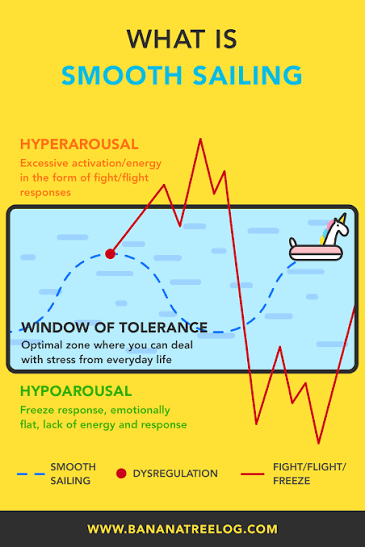
Originally developed by psychiatrist Dr. Dan Siegel, the Window of Tolerance describes the zone in which our nervous system is regulated enough to cope with everyday stress, connect with others, and respond to challenges effectively. Being within our window can also increase our ability to stay present and encourage healthy decision making. Understanding this concept can help you make sense of your emotional experiences and recognize when your nervous system may need support. Everyone’s Window of Tolerance looks different and can change over time.
Below is an attachment showing the visual representation of the Window of Tolerance.
What Happens When We Leave Our Window? And how to recognize it?
When we experience stress we may leave our window of tolerance and go to the hyperarousal or hypoarousal zone. The hyperarousal zone may include symptoms like anxiety, panic, racing thoughts, increased heart rate, difficulty concentrating, irritability, or shaking. In the hypoarousal zone you may notice symptoms like freezing, shutting down, numbness, fatigue, withdrawal, brain fog, and feeling disconnection. You may use this worksheet to help track your own symptoms of each zone to increase awareness of when you switch into them. Additionally, you may ask yourself reflection questions like:
- What does stress feel like in my body?
- What are my early warning signs?
- What situations consistently push me outside my window?
It can be beneficial to take time to reflect on the symptoms and stressors you experience and begin to map out your own window of tolerance.
Why Do We Leave Our Window?
We leave our window due to stressors in our life including relationship concerns, financial stress, everyday stressors, and something as small as dropping your glasses. Stress is cumulative and may build up over time and that last little inconvenience can push you out of your window of tolerance. Additionally, factors that may contribute to narrowing your window are trauma, chronic stress, poor sleep, burnout, illness, relationship conflict, or major life changes. Trauma teaches the nervous system to remain alert for potential danger. As a result, situations that seem manageable for some may trigger intense emotional or physical responses for others. Some people become stuck in hyperarousal (constantly feeling anxious or on edge) while others may spend more time in hypoarousal (feeling disconnected or emotionally flat). This is not a sign of weakness. Leaving your window of tolerance is simply your nervous system reacting to its surroundings and stimulations, it is not a personal failure or inability to handle stress.
Strategies to Return to Your Window
The following are strategies to implement that may help you when experiencing hyperarousal symptoms:
1. Breathing exercises
Slowing down and taking deep breaths can help to stimulate the parasympathetic nervous system which helps to make you feel calm. You may try box breathing: Inhale for 4 seconds, hold for 4 seconds, exhale for 4 seconds, pause for 4 seconds.
2. Meditate
Similar to breathwork, meditation can offer you a time to unwind and release tension in the body.
3. Practice yoga
This type of movement can offer deeper connection between mind and body and allow you to increase mindfulness to your brain and body.
4. Temperature
You may splash cold water on your face, hold ice, or put an ice pack on your chest to help stimulate your parasympathetic nervous system to signal to your body you are safe.
The following are strategies to implement that may help you when experiencing hypoarousal symptoms:
1. Activate senses
Take a warm bath, light some incense, eat some spicy food, or play some of your favorite music. By activating your senses, you can bring yourself back into your window of tolerance.
2. Grounding exercises
Notice your feet on the floor or your fingertips touching your phone screen. Maybe look around the room and find 5 things that are green, then blue, and then red. Allow yourself to become aware of your surroundings and objects that can offer a grounding sense.
3. Physical activities
Go for a walk, do some jumping jacks, maybe some pushups. Stimulate your mind and body through mindful movements.
4. Journaling
Writing stuff down may help to clear the mind and allow you have space to bring awareness back into your mind and body
Strategies to Widen to Your Window
The following are strategies to help widen your window which can help make stressors feel more manageable and allow you to stay regulated during hard times:
Practice mindfulness
Mindfulness can be a tool to help manage the stressors of life by allowing the emotions to pass without judgment and staying in the present moment.
Build resilience
We can feel better equipped to handle adversity and trauma when we build resilience. We can do this by creating meaningful and positive connections, taking care of our physical basic needs, and working toward our sense of purpose (volunteering, exploring hobbies, creating goals for ourselves)
Support your physical health
Sleep, nutrition, movement, hydration, and regular routines all influence your nervous system's ability to regulate stress. Caring for your body provides a stronger foundation for emotional resilience.
How Therapy Can Help
Therapy can help you better understand your unique window of tolerance and identify the current situations or memories that tend to push you outside it.
Your therapist can help guide you through the process of:
- Identifying personal triggers.
- Building emotional regulation skills.
- Processing difficult experiences or trauma.
- Strengthening coping strategies.
- Increasing your ability to remain present during stressful situations.
Through building awareness and practicing strategies to widen your window and find regulation, many people notice that they recover from stress more quickly and experience greater confidence in handling life's challenges. Rather than avoiding or getting rid of difficult emotions, therapy helps expand your capacity to experience them without becoming overwhelmed or shutting down.
Conclusion
The Window of Tolerance reminds us that our emotional responses are deeply connected to our nervous system. Feeling anxious or numb does not mean you are failing, it often means your body is responding to stress in the best way it knows how.
By learning to recognize your nervous system's signals and developing tools to support regulation, you can gradually spend more time within your window of tolerance. This allows you to navigate challenges with greater resilience and self compassion.
If you frequently feel overwhelmed, emotionally disconnected, or stuck in patterns that are difficult to change, therapy can provide a safe space to explore what's happening and develop practical strategies to build overall emotional and physical health. Healing isn't about never leaving your window of tolerance, it's about learning how to find your way back to regulation with greater confidence and kindness.
Additional resources:
References:
All material provided on this website is for informational purposes only. Direct consultation of a qualified provider should be sought for any specific questions or problems. Use of this website in no way constitutes professional service or advice.

.jpg)