
Reading Between the Votes: How Neurodivergence Plays Out on The Traitors
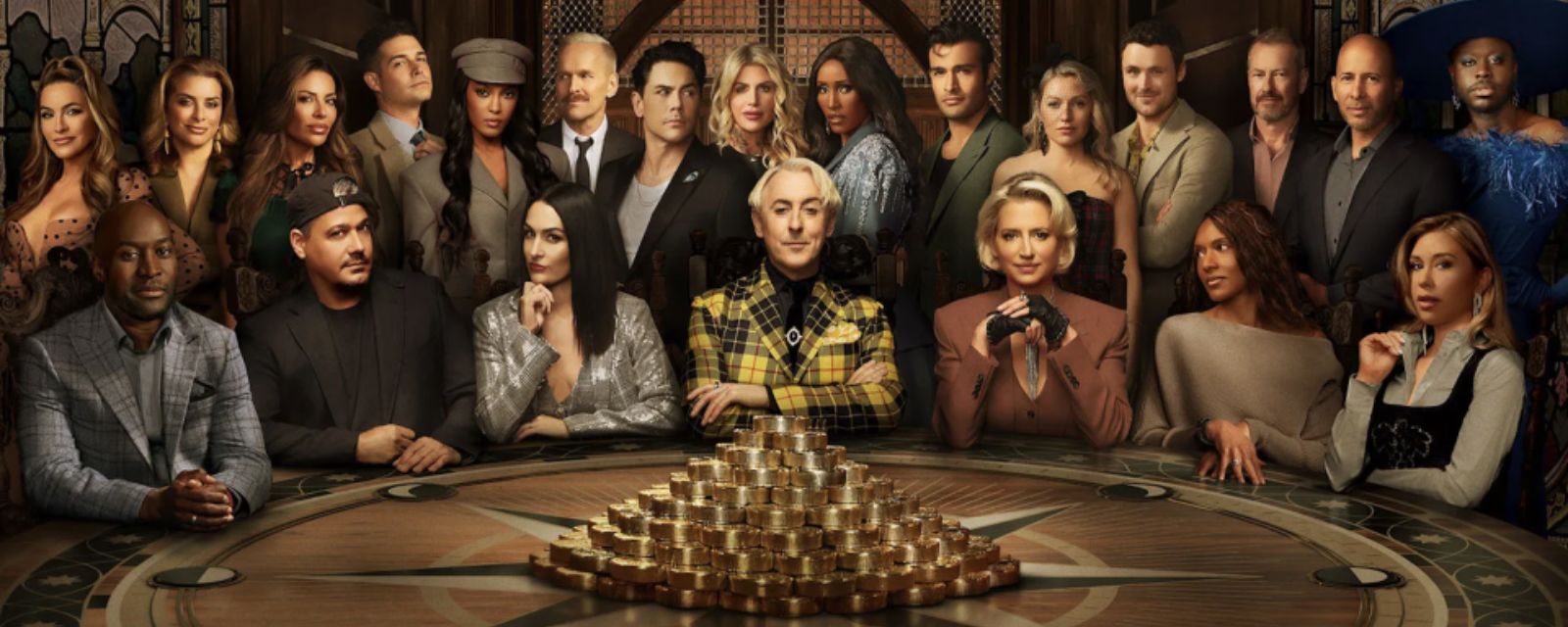
SPOILER ALERT: While it is not a necessity to watch The Traitor’s US (Seasons 3 and 4) to appreciate this blog, watching either prior or after reading this blog may enhance insights discussed, as we are about to dive into different scenarios, individuals and dynamics that can be observed first hand by watching this reality series. So, if The Traitor’s US is on your watchlist and you wanted to be surprised, maybe save this read for after viewing the traitorous series.
Neurodivergent Narratives: Real Life in Reality TV
Reality television offers a rare opportunity to observe, at a distance, how neurodivergent people are responded to in social environments, especially under stress. Shows like The Traitors mirror real life, and for neurodivergent viewers, that reflection can feel painfully familiar. These shows reveal how quickly people who do not fit social expectations are mistrusted, isolated, and punished, not for dishonesty, but for difference. On the show, it’s “just the game.” In the real world, it looks like exclusion, misinterpretation, and distrust which have major consequences for neurodivergent people.
We are a pair of therapists, reality TV lovers, and neurodivergent women writing through all of those lenses at once. Nora has ADHD, and Whitney is autistic. This blog draws from both our clinical training and our lived experience, allowing us to examine reality television not just as entertainment, but as a social experiment that reflects real-world dynamics. We use Carolyn Wiger, who has ADHD, and Ron Funches, who is autistic, as two examples from The Traitors to illustrate how neurodivergent people are perceived and treated in social environments.
“Crazy” and "Incapable": Reflections from Carolyn’s Experience on The Traitors
We can start by looking at Carolyn from Season 3 of the traitors. We see Carolyn’s neurodivergence coming out through her emotional expressions: she shows big, visible emotions marked by nervous laughter, tears, big facial expressions, and an overall intensity which is typical for people with ADHD. When we look at how her fellow players responded to her emotions we see her labeled as untrustworthy, too much, performative, and crazy. Carolyn is merely expressing her emotions in the way she naturally experiences them, yet this gives people reason to mistrust her. I (Nora) was reminded of the many times I have been labeled as “crazy” or “fake” for expressing my genuine emotions. Carolyn’s experience mirrors a familiar reality for many neurodivergent people, our emotional authenticity is often punished when it does not align with socially accepted norms.
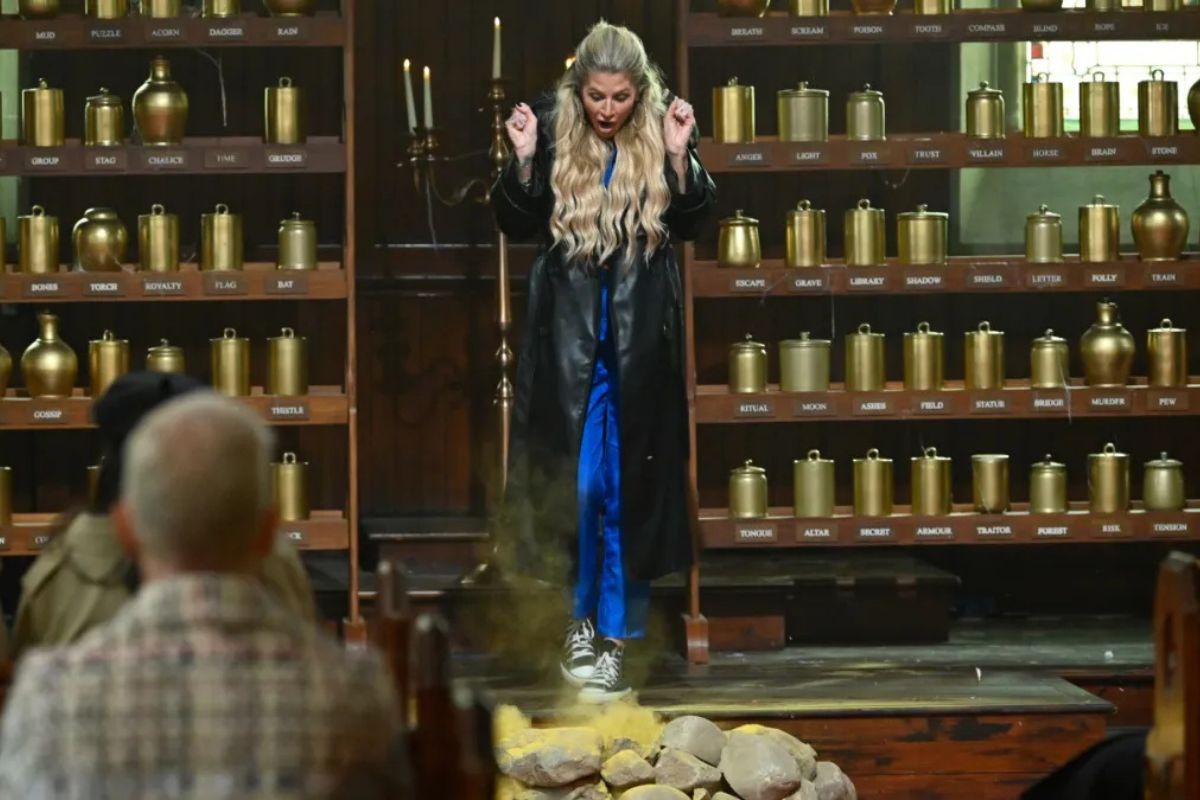
I also noticed Carolyn has a strong sense of justice, intense reactions to perceived unfairness, and a strong intuition that she often struggles to verbalize. She often says that nobody is listening to her. In the turret, she frequently appears uncomfortable with the other traitors’ decisions but is unable to influence them, as she struggles to articulate her perspective. This is particularly clear in the decision to murder Jeremy: Carolyn does not want it to happen, yet her objections are ignored by her fellow traitors. In her next confessional, she is visibly emotional and expresses deep guilt over Jeremy’s murder—a strong reaction to the injustice done to him.
Finally, we see Carolyn’s neurodiversity expressed through her energy, as she is hyperactive, excited, and chaotic. Other players in the castle respond to this hyperactivity by framing it as a deficit or a lack of intelligence. We hear players say things like, “there’s no way she could be a traitor.” Carolyn appears to use this perception to her advantage, leaning into the chaos in order to keep suspicion off of herself. While this strategy may have helped Carolyn in this context, the consistent underestimation of neurodivergent people can have harmful consequences in school, work, social settings, and other areas of life. While Carolyn was able to leverage this perception in the game, it reflects a larger pattern of how neurodivergent people are routinely underestimated rather than understood.
“Factual” and “Fake”: Exploring Ron’s Experience on The Traitors
In the most recent season of The Traitors (Season 4), Ron’s behavior was perceived and labeled by other contestants as “suspicious” or “traitorous”. As an autistic individual, I found myself (Whitney) connecting with Ron’s logic (I was confused by how hard they were coming for him!) and resonating deeply with Ron’s experience of being misunderstood.
Throughout the show, we see Ron speak in ways that are factual, blunt, and direct as well as honest, which is common for many autistic individuals. Other contests read this behavior as cold, defensive and cryptic. This breakdown in communication comes from Ron having a different way of processing the world than many of the others in the castle, leading to him being judged for his difference because his processing style was not the majority. Ron’s communication is information and words driven; his conversations during the game are to share accurate information to identify the traitors. Sharing truth in a way that is direct and factual, without all the social fluff, feels more honest and connective to him. He values what is being said over how it is being said. Other players' processing style prioritizes subtext, "social padding" (small talk, softening phrases, hints), and how the interaction makes them feel. They value how something is said over what is being said.
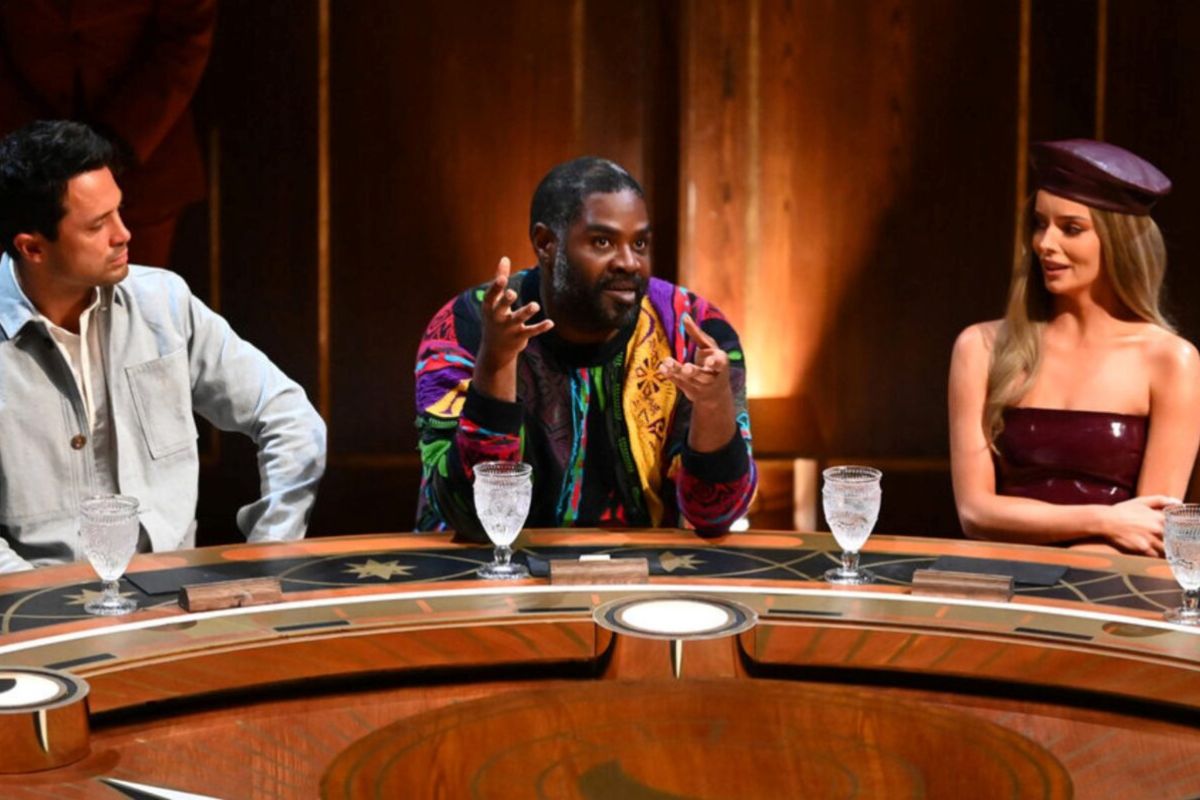
We also see Ron fluctuating in how he presents himself throughout the show, which those around him perceive as inconsistent and fake. While many of the other castmates were “on” anytime they were around the rest of the cast, Ron frequently sat alone, ate by himself, and disengaged from the group. There were many times he moved around the castle just observing. When questioned on his behaviors, Ron explained by stating that he did not feel the need to "fill dead air," which some of the "Real Housewives" in the castle perceived as being unsociable or cagey. Then, there were other times, especially during missions and banishments, where he was intensely dialed in. He was very engaged, vocal, and would even over-explain when he had a topic or traitor theory that he was passionate about. Ron’s fluctuating intensity level was considered a red flag for players who expected him to show up with a more consistent and performative social energy.
At the time of filming, Ron was not yet aware of his own neurodivergence, which left him often feeling socially rejected, but unable to identify the why. This made the experience especially painful for Ron, as we see him in emotional distress multiple times throughout the show, including having his first ever panic attack. As an individual (Whitney), who was not identified as autistic until my late 30s, I deeply resonated with Ron’s emotional distress. Replaying words, actions, conversations and logic in your head over and over trying to figure out what you missed and why people are not understanding you and then noticing them distancing themselves from you, despite all the math adding up in your logical mind is confusing. This becomes an exhausting and isolating loop of trying so hard to adapt in order to connect with others and yet somehow ending up more socially isolated. Living as an unidentified neurodivergent individual, often feels like playing a game of Monopoly with Clue instructions, while everyone around you has the Monopoly instructions. This leads to chronic social exhaustion and validation of the painful belief that you are somehow defective. For many neurodivergent people, when neurodivergence is named, this whole confusing experience finally makes sense. It validates our experience and provides a sense of clarity that supports us in stopping the judgement of ourselves by neurotypical standards, allowing us to start living life in a way that actually aligns with our neurotype. We can finally just play Clue!
Redefining Trust: A Lesson Learned from the Round Table
The Traitors is, at its core, a game about trust. What it reveals, perhaps unintentionally, is that trust is often not built on truth, but on conformity. In neurotypical-coded environments, credibility is often determined not by correctness, but by perceived safety and comfort. The players who are believed are not always the ones who are honest. They are the ones who perform honesty in a way that feels familiar and comfortable to the majority. For neurodivergent people, this is not just a game metric. It is a lived reality. The real question that this raises is not how neurodivergent people can learn to perform trust more convincingly, but how all of us can expand what trust, intelligence, credibility, and honesty are allowed to look like. Because when we only believe people who make us comfortable, we are not rewarding honesty. We are rewarding sameness—and that is a game no one should have to play.
Find Your Own Shield: Neurodivergence Resources to Advocate and Understand
Books
- NeuroTribes: The Legacy of Autism and the Future of Neurodiversity at by Steve Silberman
- Scattered Minds: The Origins and Healing of ADHD by Gabor Mate
- Unmasking Autism: Discovering the New Faces of Neurodiversity by Devon Price
- Divergent Mind: Thriving in a World That Wasn’t Designed for You by Jenara Nerenberg
Websites
Podcasts
All material provided on this website is for informational purposes only. Direct consultation of a qualified provider should be sought for any specific questions or problems. Use of this website in no way constitutes professional service or advice.


.jpg)