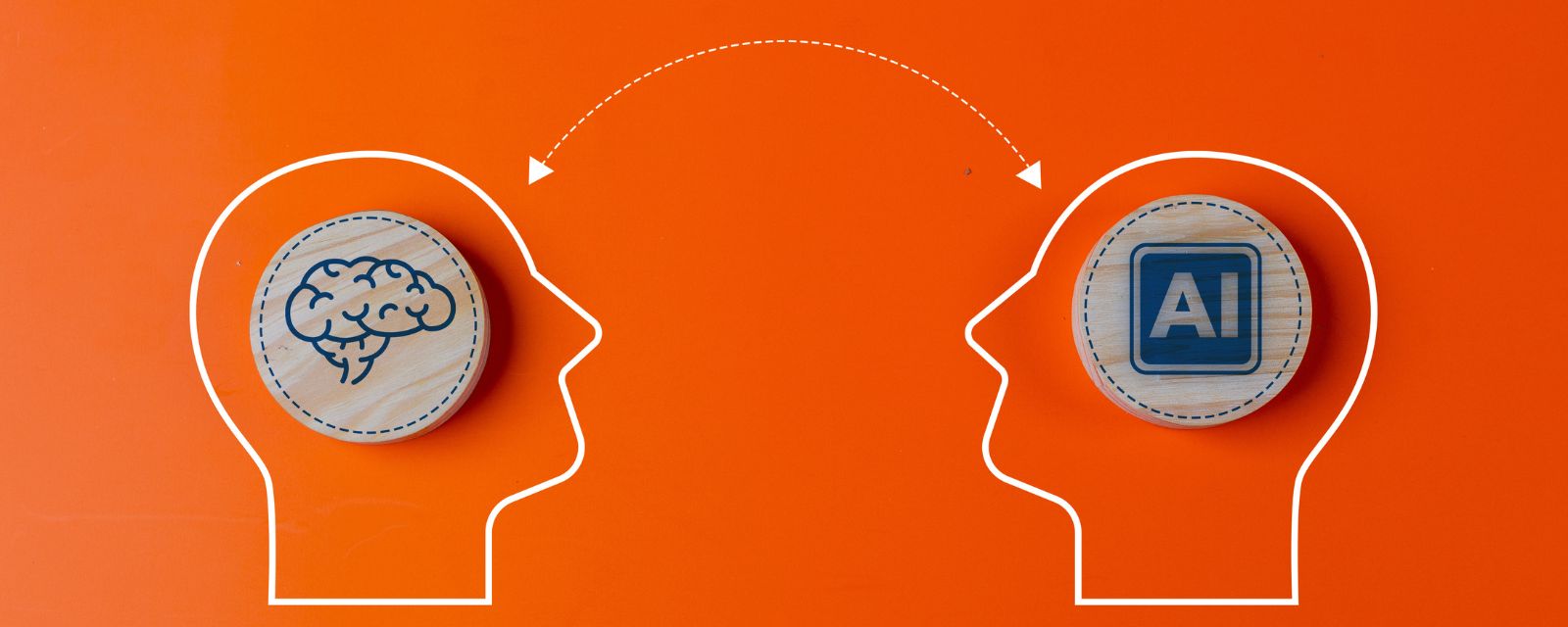
How AI Use Affects Your Brain and Mental Health
Please note that this article discusses suicide and suicidal ideation.
AI has been increasingly a part of our lives over the past few years. There are many concerns that arise with the use of AI ranging from environmental impacts to issues of social justice. One question that scientists are now asking is: how does AI impact the brain?
The impacts of AI on cognitive functioning
Our brains have something called neuroplasticity, meaning that they have the ability to learn and adapt when given new information or experiences. While it was once thought that neuroplasticity naturally declined with age, researchers have found increasing evidence that neuroplasticity is a lifelong phenomenon. (Pauwels et al., 2018) Although certain aspects of neuroplasticity may change with age, it often declines when we stop engaging in things that nurture it. There are many ways to maintain it over time including using activities like puzzles, learning new skills (i.e. a new language or musical instrument) and reading. Brains are kind of like muscles, the more you work on them, the stronger they become.
MIT has conducted multiple studies on the use of AI and the impacts on cognitive ability. One study used 54 subjects aged 18-39 and put them into three groups. All participants were tasked with writing an SAT essay but each group was assigned different approaches to doing so. One group was required to use ChatGPT, the second group was allowed to use Google Search and the third group was asked to use their own brains without any help from technology. Researchers monitored the brain activity of each subject in order to assess cognitive function across 32 regions of the brain while completing the assignment. (Chow, 2025)
What the researchers found was that the subjects using ChatGPT to complete the essay engaged their brain the least. There were consistent deficits in how these subjects engaged at neural, linguistic, and behavioral levels. In fact, by the end of the study, these participants actually stopped editing their work all together and started copying/pasting straight from the chatbot. (Chow, 2025) This is potentially concerning as it seems to offer insight into what happens when we let AI do the work for us. If we consistently overrely on AI, our brains are not being engaged which could potentially affect critical thinking skills and cognitive ability over time.
AI Psychosis and suicidality
Many people have turned to AI for life’s problems and have used it as a source of support in the way that they would talk to a therapist or friend. However, generative AI is not trained as a mental health professional and can sometimes lead to negative mental health outcomes.
There have been some reported cases of something called AI psychosis which is essentially when the use of artificial intelligence leads to a case of acute psychosis. Generative AI may “trigger, amplify, or reshape psychotic experiences in vulnerable individuals.” Additionally, there have been instances in which AI has shaped, confirmed and escalated delusions in its conversations with people. AI may also develop or maintain mania by reinforcing impulsive behaviors and grandiose thoughts. (Hudon & Stipp, 2025) AI psychosis is a worrying trend associated with AI use that has been reported in people who have never experienced mental health concerns as well as those with pre-existing mental health conditions.
There have also been reported cases of AI leading people to complete suicide by helping them write suicide notes, discouraging them from seeking support from trusted family members or professionals and offering insight into how to successfully follow through with suicide. In one case, a 16 year old child turned to ChatGPT for support during active suicidal ideation and ultimately ended up taking his life after the conversation he had with it. (Chatterjee, 2025) This concerning trend illustrates the importance of seeking professional support when it comes to mental health care, especially in times of acute crisis.

AI Impact on Confidence and Self Esteem
Many people are relying on AI to answer simple everyday questions and offload their work tasks. There is increasing evidence that this can lead to reduced confidence in one's ability to do their own work and research. One study out of Middlesex University found that in a group of 2,000 participants, those who relied heavily on AI reported weakened confidence in their own ability to reason. This was especially true among participants who did not question generative AI’s answers. (Haupt, 2026) This highlights the value in asking questions rather than believing every generative AI response right away.
We build confidence through doing our own work and building skills which can contribute to improved self esteem. While AI can be a tool, over-reliance on it can have negative outcomes for how we see ourselves and what we believe we can do. It is important that we remember our humanity by learning through our experiences and our mistakes.
How do we maintain brain and mental health in the age of AI
Cognitive health:
- Exercise your brain by learning something new or completing a puzzle
- Implement physical movement into your everyday life
- Read something every day, even if it’s short
Mental Health:
- Engage with your community (i.e. join a book club, participate in park cleanups, attend community meetings etc.)
- Seek support from friends and family
- Utilize available mental health support such as therapists and psychiatrists for ongoing mental health maintenance
- If you experience suicidal ideation, contact the 988 crisis lifeline or go to your nearest emergency room rather than turning to AI
Critical thinking:
- Do not take generative AI responses at face value, ask questions to keep your critical thinking skills sharp.
- Remember that generative AI can be inaccurate and it is important to do your own research and confirm that the information is factual by using reliable sources.
Conclusion
While AI is being integrated into our everyday lives, our humanity persists and we can take steps to mitigate the potential negative consequences of using it. By talking to other people, engaging with our communities, asking questions, thinking critically, supporting our brain’s neuroplasticity and utilizing mental health supports, we can work towards increased confidence in ourselves and improved cognition over our lifespan.
Sources
- NPR: Their teenage sons died by suicide. Now, they are sounding an alarm about AI chatbots
- ChatGPT May Be Eroding Critical Thinking Skills, According to a New MIT Study.
- Dergaa, I., Ben Saad , H., Glenn , J. M., Amamou, B., Ben Aissa , M., Guelmami , N., Fekih-Romdhane , F., & Chamari , K. (2024, April 2). From tools to threats: A reflection on the impact of artificial-intelligence chatbots on cognitive health - PMC. National Library of Medicine.
- Letting ai do your work erodes your confidence, according to a new study.
- Hudon, A., & Stipp, E. (2025, December 3). Delusional experiences emerging from AI chatbot interactions or “Ai psychosis” - PMC. National Library of Medicine.
- Pauwels, L., Swinnen, S. P., & Chalavi, S. (2018, August 1). Aging and brain plasticity - PMC - NIH. National Library of Medicine.
All material provided on this website is for informational purposes only. Direct consultation of a qualified provider should be sought for any specific questions or problems. Use of this website in no way constitutes professional service or advice.

.jpg)