How Art Therapy Fights Dementia, Loneliness, and Cognitive Decline in Older Adults
Art Has No Age Limit
Art can be essential for the counseling profession's most "forgotten and ignored" population: senior citizens. Art has no age limit and, today, we can see seniors enjoying the activity and creating communities through it. Mental and physical well-being improvement can be achieved with art that challenges a person's skills. Take dance and music. Those types of activities help people synchronize their movements and share a sense of that motion with others. Lifetime involvement in the arts benefits the brain as it constantly adapts to its environment through neuroplasticity. The richer the creative environment, the more active and engaged the brain remains in dotage. A fundamental goal of art therapy for older adults is to provide a challenging, supportive, and safe environment that fosters cognitive stimulation, emotional experience, and socialization.
The Hidden Dangers of Senior Isolation
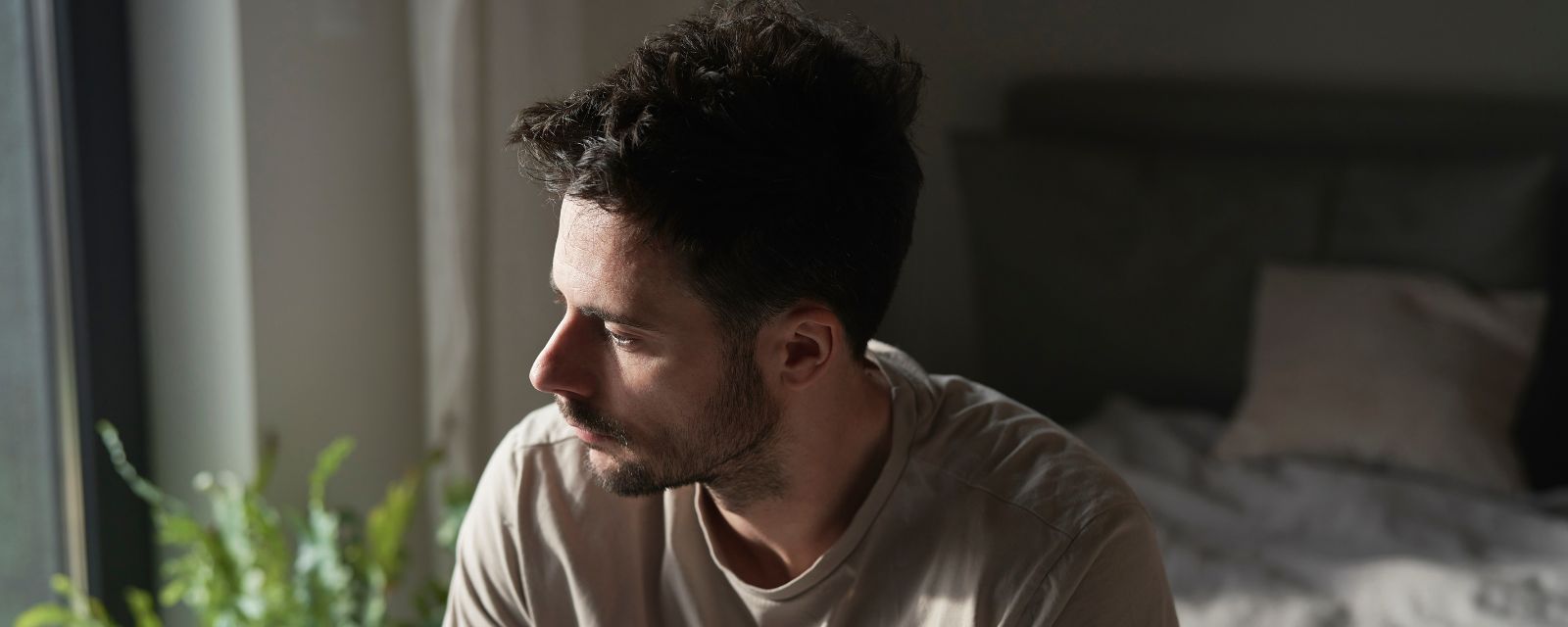
The oldest-old age group (85 and older) is susceptible to numerous potential threats to their quality of life, such as the loss of a partner, shifts in social networks, changes in housing/living arrangements, and age-related diseases and comorbidities. These pernicious life changes can make it harder to see friends and family, exacerbating loneliness. Isolation in seniors can result in several detrimental factors: depression, anxiety, cognitive decline, increased risk of falls, physical health decline, and higher mortality risk. When seniors participate in the arts, they develop a stronger sense of community through collaboration as a group, which can lessen the feeling of isolation. Art is what people fall back on during times of hardship, and aging can be a hardship for many.
I have a soft spot for the elderly, as I lived with my nana for almost a decade. It was easy to live with her since we both were both artists. She always encouraged me to try new materials when I was a kid, allowing me to use her art supplies and destroy them. I never viewed my nana as "old," but now, I realize she falls in the oldest-old group, and I am still amazed by her. She can walk without much assistance, use new technology fairly well once someone shows her, and still creates art. She is also fortunate enough to live on her own, something people in her age range might not be able to do. I attribute her independence and sharp thinking to her creation of art throughout her life. Through my experiences with her, I learned that aging may make people feel vulnerable, but they will still want to be respected and not coddled.
Art Builds Confidence and Combats Dementia
Art fosters confidence. This can be seen in an old documentary, Arts and the Mind, with the Northeast Senior Singers. Charles Williams, the instructor and a senior himself, believes in empowering the group by treating them as professionals with respect. He notices that in response, confidence improves, their gait quickens, and there is a new sense of energy in them. This confidence can similarly happen through dance. Participation in dance is the most effective activity for healthy aging. It not only builds self-esteem and community, but it can reduce the rate of dementia by close to 76% (Theil et al., 2024, Introduction section, para.10). Likewise, it stymies the onset of Alzheimer's.
Once a person is diagnosed with a type of dementia or any other terminal illness, they suddenly believe their life is over, which translates to others having the same sentiment about them. Instead of reinforcing positive ideas that emotional and intellectual experiences can still occur and that there is still purpose to life, people in the U.S. tend to shove seniors, especially those with dementia, into homes where they are forgotten. The rest of society does not have to deal with the "unpleasantness" of the illness anymore. This mindset is harmful as anyone is susceptible to dementia, and there are plenty of engaging activities, such as pottery and clay sculpting, to combat it. Research shows how a lifetime of stimulating activities may build up alternate neuro pathways in the brain that protect against mental decline in old age.

Redefining What It Means to Be Old
Many activities can help create a sense of purpose and community among the elderly: collage, quilting, knitting, group painting, choir, and dance. Dancing, in particular, can challenge the way Western society thinks of the elderly. Referencing the documentary again, the dance studio Kairos oppugns stereotypes about aging. Maria Genné remarks, "When we are out there dancing, people look at us and go, Oh, I never thought of that. I never thought that someone who was wrinkled and had white hair could be beautiful.” I believe that young people, especially those with little exposure to the senior population, forget that the elderly are people, were once young, and have gone through most of the same life experiences. I concur with Maria Genné about redefining what it means to be old. Society must, given that people are living much longer than before.
Conclusion
People in Western society must encourage the arts for all ages, but especially for seniors. The elderly can prosper, as art has the power to activate the mind, foster health, and is a primal way to reinforce social connections that are essential for human existence. This is often the primary goal for art therapy with the elderly. In Western society, people forget about their senior population, which can cause them to receive the bare minimum regarding care. Art has impressive benefits for the elderly, and even though some may be skeptical of it, in the end, they find it valuable in the richly stimulating experiences it provides.
References
- Aram, C. (2020). The top 5 concerns facing older adults in our community.
- Eaton, L. (Producer). (2012). Arts and the mind [Film]. Eaton Creative, Inc and Twin Cities Public TV
- Hinz, L. D. (2009). Expressive therapies continuum: A framework for using art in therapy (1st ed.) Routledge.
- Moody, E., & Phinney, A. (2012). A Community-Engaged Art Program for Older People: Fostering Social Inclusion. Canadian Journal on Aging / La Revue Canadienne Du Vieillissement, 31(1), 55-64. doi:10.1017/S0714980811000596
- Thiel, U., Stiebler, M., Labott, B. K., Bappert, J., Langhans, C., Halfpaap, N., Grässler, B., Herold, F., Schreiber, S., Braun-Dullaeus, R., Müller, P., Müller, N., & Hökelmann, A. (2024). DiADEM-Dance against Dementia-Effect of a Six-Month Dance Intervention on Physical Fitness in Older Adults with Mild Cognitive Impairment: A Randomized, Controlled Trial. Journal of personalized medicine, 14(8), 888.
- Wong, D., Hall, K., & Hernandez, L. (2014). Counseling individuals through the lifespan (1st ed.) SAGE Publications.
All material provided on this website is for informational purposes only. Direct consultation of a qualified provider should be sought for any specific questions or problems. Use of this website in no way constitutes professional service or advice.
.jpg)