
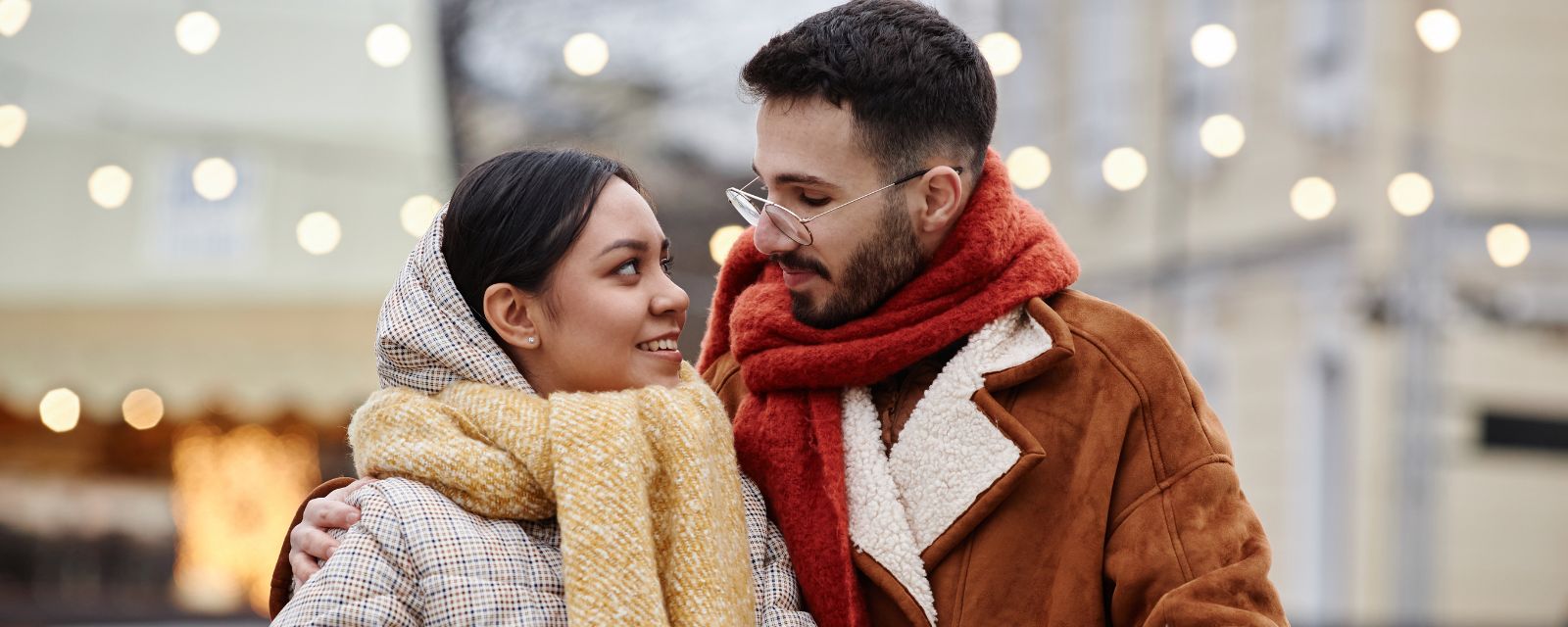
The Psychology of “Cuffing Season”
Long before the internet was a thing, scientists, psychologists, and sociologists noted that seasonal changes to our hormone levels can impact the patterns of our relationships. What does this mean for us today, and how do you know if a relationship is ready for commitment, or just a by-product of cuffing season?
What is cuffing season?
Cuffing season is a term for the colder months of fall and winter when it seems particularly desirable to be in a committed romantic relationship. The logic is that during colder months, you want to stay “cuffed” to a romantic partner, Netflix and chill, with the expectation that the relationship won’t survive the spring. There are a lot of theories as to why more new relationships begin in fall and winter, and why “cuffing season” might actually be a thing.
Evolutionary Biology and the Seasons
Most babies in the world are conceived in late-Fall to early Winter. Evolutionary biologists theorize that our ancestors developed a pattern of conceiving children so that they would be born in August when weather was most favorable for their survival. Studies have also observed that testosterone production peaks in September, supporting the theory that the weather influences how we feel about sex and dating. These seasonal changes could influence our moods, our libidos, and the kind of people we find attractive, which could in turn affect our willingness to date and commit to one another.
The Holiday Season and Social Pressure
The holiday season typically involves endless social engagements, and many of these seem more inviting when you have a plus one. At Thanksgiving your relatives might ask you why you haven’t found someone yet; you might wish you had a companion to make your office holiday party more bearable; New Years and Valentines Day might feel lonely without a date to share them with. Whether it’s due to your true desire for companionship, or to pressure based on your gender and age, you might be motivated by more than chemistry in your selection of a partner during the fall and winter.
Alcohol plays an important role here too, since we tend to indulge ourselves more than usual during the holidays. Anyone who has kissed someone they wouldn’t normally give the time of day on New Year’s Eve will understand this. There’s a deeper, maybe sadder side to this too: few of us want to be alone for the holidays. There’s a lot of social pressure around what the holiday season is “supposed to look like,” and when the usual distractions of work and other routines are interrupted by winter breaks, business closures, or friends being out of town, some people find themselves focused on how lonely they feel. Being in a committed relationship, even if you’re just FaceTiming them while they visit their family in Montana, can take the edge off that holiday loneliness.
Hibernation Relationships
Between Thanksgiving and New Years life might seem like a blur, but after that comes a cruel stretch of real winter with holidays few and far between. This seems to be the true heart of cuffing season for several reasons. The word cuffing evokes being trapped in a room with someone, a situation many of us may find ourselves in come winter time. Many of us would prefer to be trapped with a person who we trust to see us at our wintry worst: dry skin, unwashed hair, runny nose, etc. For a lot of us, this could be an intimate partner, who probably still finds us incredibly attractive even when we feel like hell. October could be a popular time to start new relationships because we know we want to be close with that person by the time February rolls around.
The quintessential cuffing season relationship is the Hibernation Relationship. Hibernation Relationships thrive in “denning,” aka sharing cozy enclosed spaces, eating large meals, binge watching tv, and generally enjoying privacy and intimacy while the weather is bad. This kind of relationship is seasonal, and thus limited. Warmer weather and all the outdoor delights that entails will theoretically end this kind of relationship. There’s also an implication that the person you “cuff” for the winter is not aligned with your usual relationship standards, and is only fit to enjoy in the privacy of your home. Once you can get out and meet other people, you will grow tired of the Hibernation Bae, seeking the new and more adventurous summer bae(s).
Facebook does have some data suggesting that most of its users’ breakups happen in March, and there’s anecdotal evidence that people tend to break up in the Spring, but this could be for a number of reasons. Spending prolonged time exposed to someone is a fast track to identifying their annoying habits, and potentially to developing resentments against them. Once good weather removes the necessity of spending all your time inside with this person, you may feel more emboldened to distance yourself from those negative feelings. This doesn’t imply that the relationship was bad from the beginning, but it could indicate that extended togetherness with no breaks will strain any relationship.
How can you tell if a “cuffing” relationship is really worth committing to?
A relationship’s worth can’t be calculated in a season, but seasonal changes can test your bond. In the bubble of your shared cozy space watching movies and eating snacks, there probably aren’t a lot of demands on your relationship. It’s important to be able to relax and be yourself with someone, and a Hibernation stage can give you the chance to experience that with someone. Don’t forget that there’s a world outside your bubble, and that a relationship needs to be able to weather changes, not just one season.
Sometimes the holidays can provide a useful test: are they flexible with changes of plans? Are they generous with their time and resources? How do they show up for you when you’re stressed? At the same time they can make things more confusing. We might strive to put on the best side of a relationship when we’re in front of friends and family, but experience distrust or unease we don’t feel comfortable expressing at such a charged time of year. As we’ve discussed, the social pressures of the season can impact our desires and behavior, and once those pressures are gone, or have changed, a whole new side of the relationship might emerge. Either way, while it’s wonderful to be home alone with someone you care about, if you want to evaluate the relationship fully, you have to bring other people into the picture. The office holiday party might show you one side of them, but what side do they show when your sister comes over for board game night, or when your best friend crashes on your couch when they’re home for the holidays?
In relationships, longevity depends on the ability to weather changes, because life is full of them. Once the winter is over, do they like the same outdoor activities you do? Are they willing to spend as much time with you when it’s nice out? Don’t cling to a relationship that isn’t serving you just because you have fond memories of winter. Can you continue making memories after that?
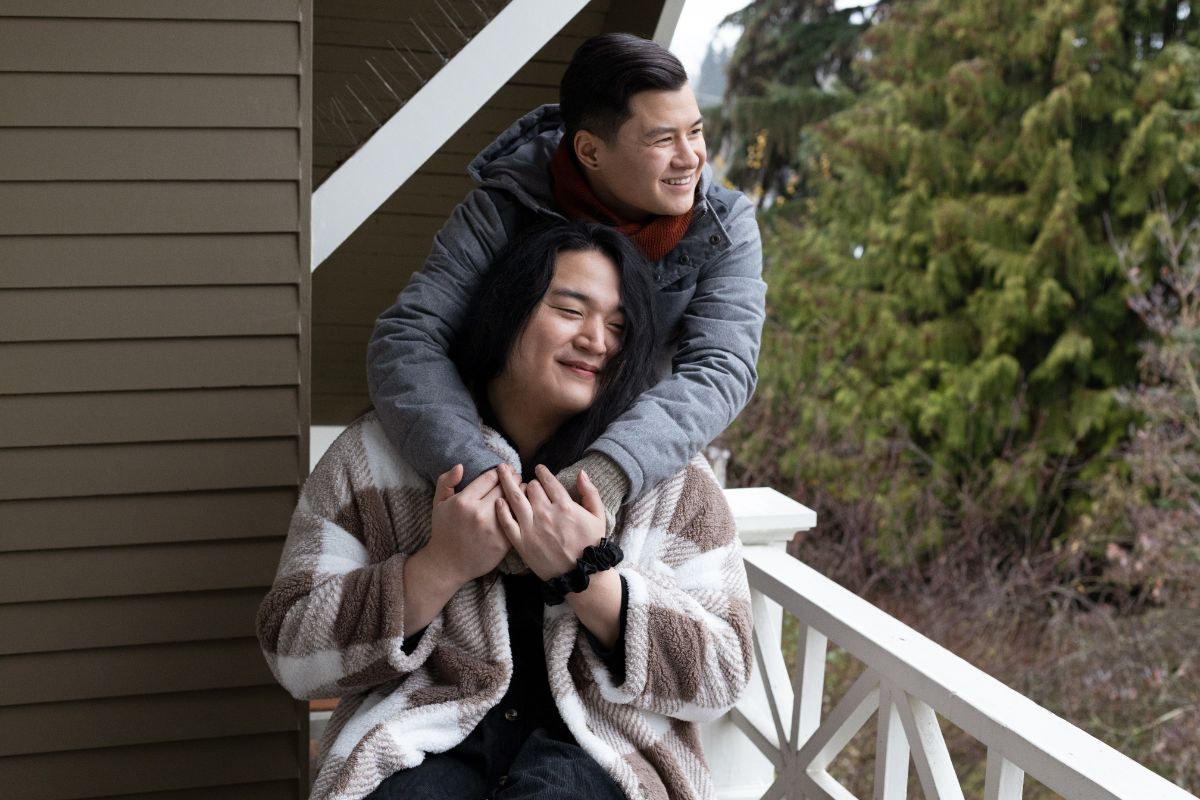
How can you survive “cuffing season” without a partner?
For all the reasons mentioned above, having someone to snuggle and attend parties with during the winter might seem nice, but there’s more than one way to get yourself some love - and endorphins - when it’s cold outside.
1. People are not a solution to a problem.
Sometimes it feels like everything that’s wrong with our lives could be solved if we were in a relationship. This makes sense - relationships bring a lot to the table as far as companionship, confidence, and expanding social circles. Even if they don’t solve everything, they might solve enough things, right? The thing is, relationships can cause as many issues as they solve. How will you split your time between families? Will you still have the freedom for the hobbies and people you love? These issues can be a joy to solve when you meet the right person, and that’s why you need to take your time finding that person, or persons. With winter coming on, being single might sound scary, but rushing into a relationship you’re not sure about will not help. Sometimes it’s worse to be with the wrong person than to be alone. Once that wrong person gets on your last nerve in the middle of a blizzard, you’ll understand what we mean.
2. Pay attention to your physical health.
Cold weather affects our bodies in significant ways that are worth paying attention to. If we’re exposed to cold weather for long periods, our blood vessels constrict to keep heat closer to the core of the body and its vital organs, which can raise blood pressure, increase inflammation in our airways, and even make period cramps more painful. If you’re used to the cold you might think you’re immune to these effects, but don’t take your body for granted. Even if you are psychologically immune, you’re still physically vulnerable. Wear the right clothes whether you’re going off to work or just running out to walk the dog. Pay attention to how you feel and give yourself enough rest to recover from being outside. You will feel a lot less vulnerable and a lot more secure in yourself when your body isn’t secretly fighting a war with the weather. Plus, hot showers, baths, and saunas lower blood pressure and release endorphins without the need for a partner, and sharing a shower is not that romantic when it’s 40 below.
3. Don’t forget your mental health.
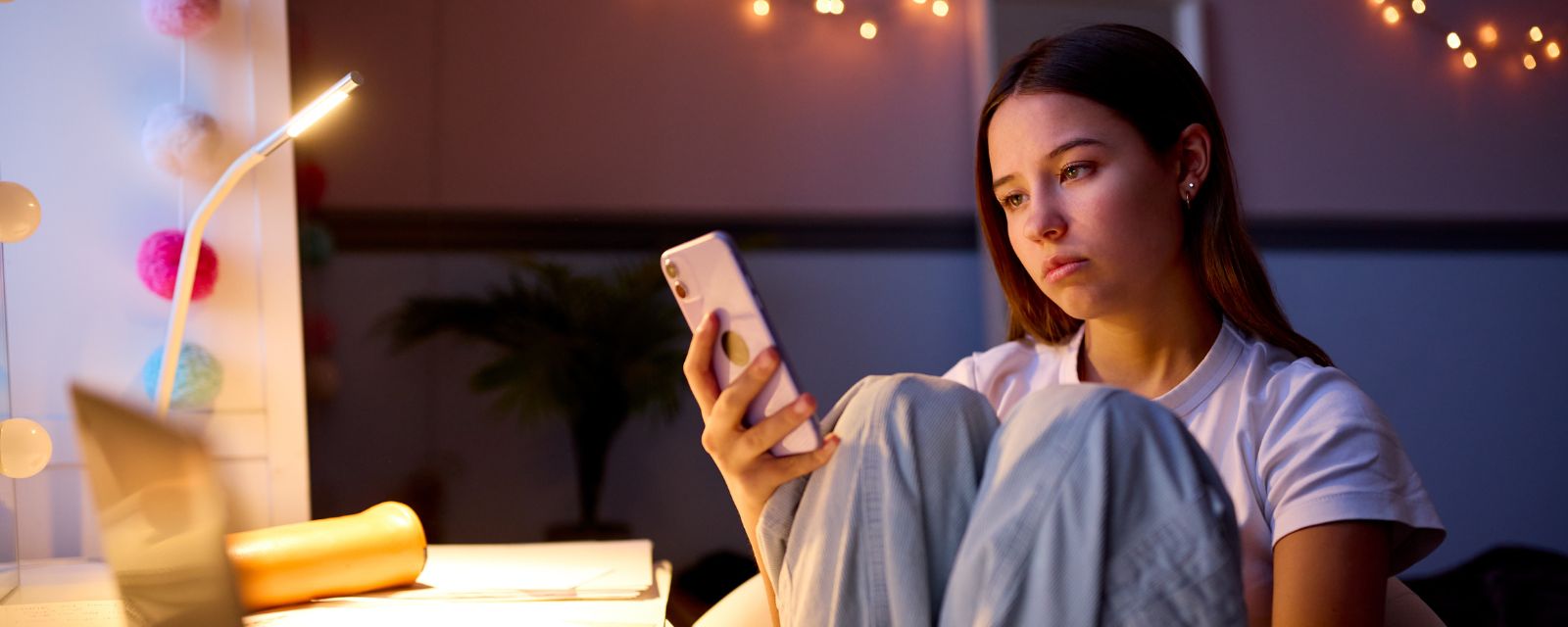
SAD (Seasonal Affective Disorder) is a kind of depression many of us experience during colder months. You may have less energy, notice sleep and appetite changes, or have more difficulty starting new projects. The irritability and mood changes you experience can affect your relationships in surprising ways. For some, it could increase tension and hamper communication. For others, it could lead to an increased desire for serotonin enhancing stimuli like physical intimacy. Even if you don’t suffer from SAD, winter blues are a real thing. The sun setting earlier, the cold, and changes to your routine can make things seem dark. The saying “never trust how you feel about your life after 9:00PM” applies here. We don’t make our best decisions when we’re not feeling our best, especially when it’s late at night and we’re contemplating a booty call. Some of our routines fall off during the winter, but make sure you keep your appointments with your mental health care provider. You might feel less inclined to see them since “nothing is really going on,” but that’s when some of our deepest work can happen in therapy. Spending time on your own can be stressful, but in certain limits it gives us tremendous insight into who we are and what we want, which are valuable things to know before you get into a committed relationship.
4. Get a printed calendar.
Seriously. Maybe it sounds silly but one of the most deranging parts of the winter is the way time passes. Whether you’re looking forward to the end of the season or overwhelmed by overlapping commitments, daylight savings time, disrupted schedules, and a host of other things change the way we feel about how we spend our days. Having a printed calendar you can write things on actually helps with this. We can psyche ourselves out about time, whether we panic about a deadline that is actually weeks away or struggle to make it through a long cold weekend. A visual representation of your days grounds you in reality, helps you manage your time better, and gives you the chance to plan meaningful connections with people and causes that mean something to you. When your calendar is reasonably populated with things you can look forward to, there’s a better chance you’ll enjoy your winter. Seeing it on the wall keeps those good things in mind and reminds you that time passes and things change. Pick a calendar with pictures you love, or even make one yourself with a ruler, a marker and some stickers.
5. Activate your network of support.
If you find yourself single during the winter and it’s getting you down, that’s a perfect time to max out your outreach with your non-romantic connections. Send holiday cards to every contact you don’t hate in your phone. Call any older people you know who don’t love texting, even if it’s awkward. Look up your favorite teacher and send them an email to let them know what kind of impact they had on you. Winter is hard for everyone, whether you’re single or not, and when you’re feeling lonely, there’s a very good chance other people are feeling lonely too. Our romantic partners can be a beautiful and critical part of our lives, but we need so much more support than one person can provide. Don’t feel self conscious letting others know that you want to connect with them. You’re not alone in feeling lonely when it’s cold outside, and nothing makes us warmer than cheering someone up who needs it.
All material provided on this website is for informational purposes only. Direct consultation of a qualified provider should be sought for any specific questions or problems. Use of this website in no way constitutes professional service or advice.

.jpg)